TECTONICS, BASINS, PETROLEUM SYSTEMS
AND THEIR OUTCROPS, THE WESTERN INTERIOR, USA
BIG COUNTRY, BIG GEOLOGY:
THE WESTERN INTERIOR FIELD COURSE
CONTENT
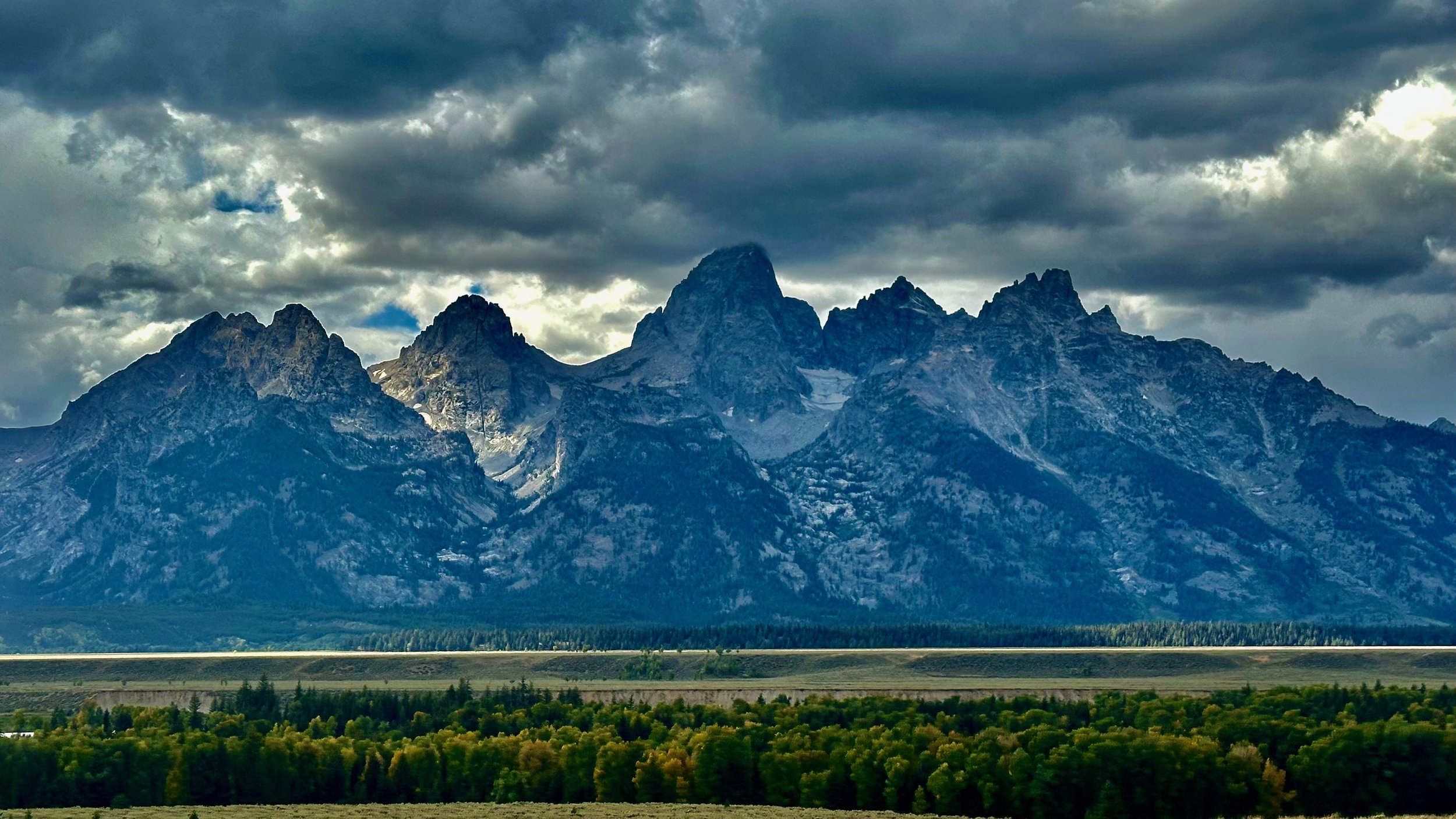
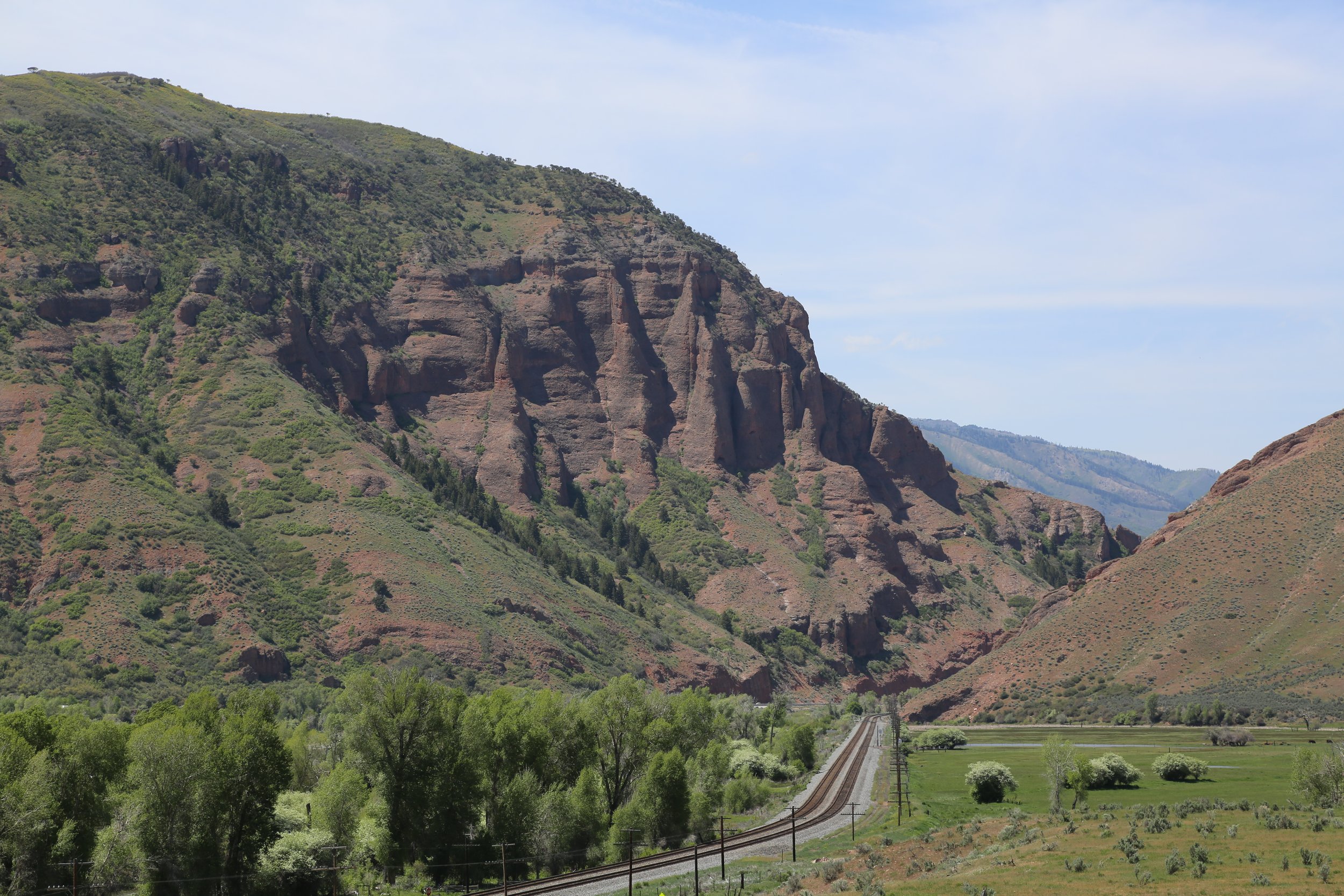
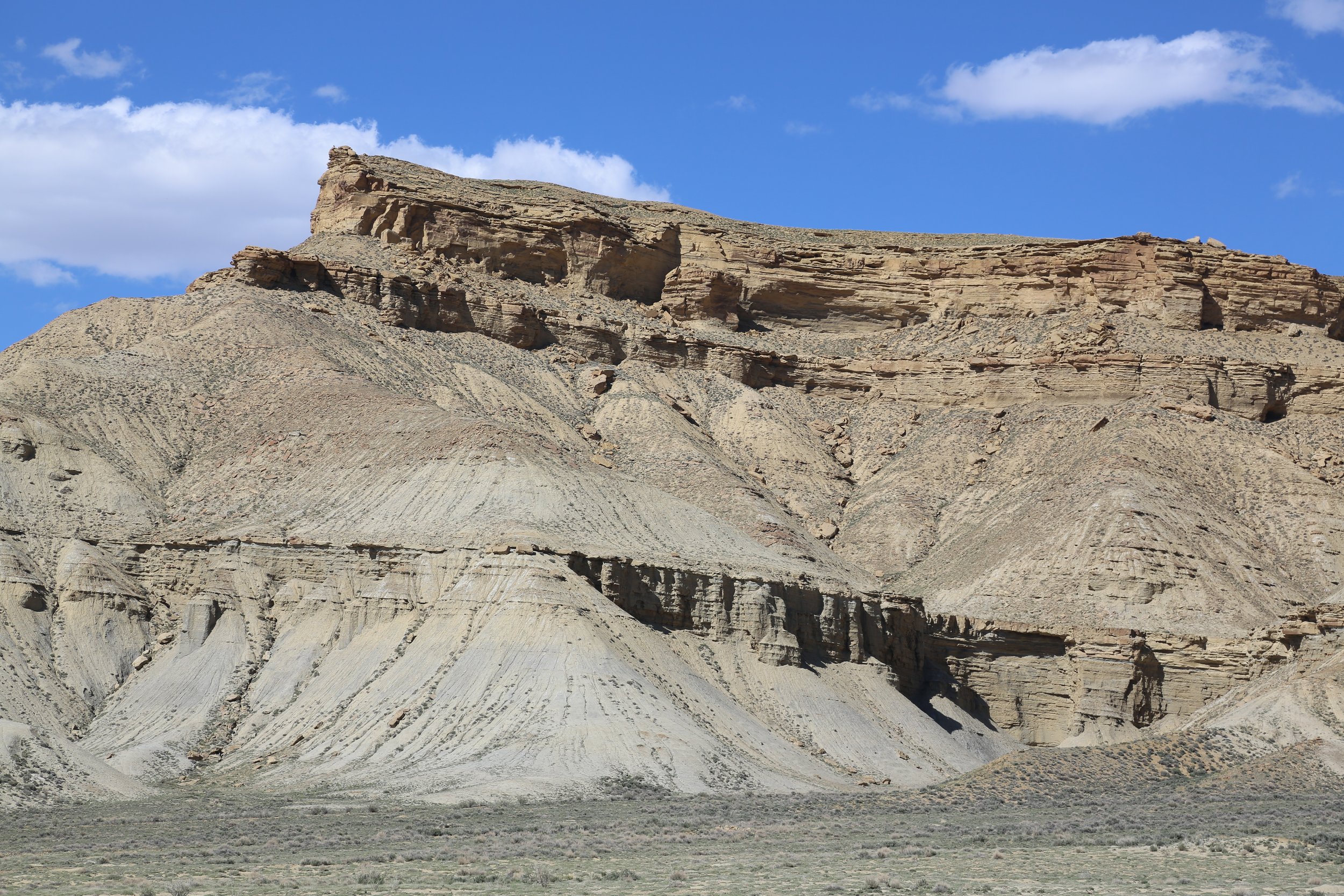
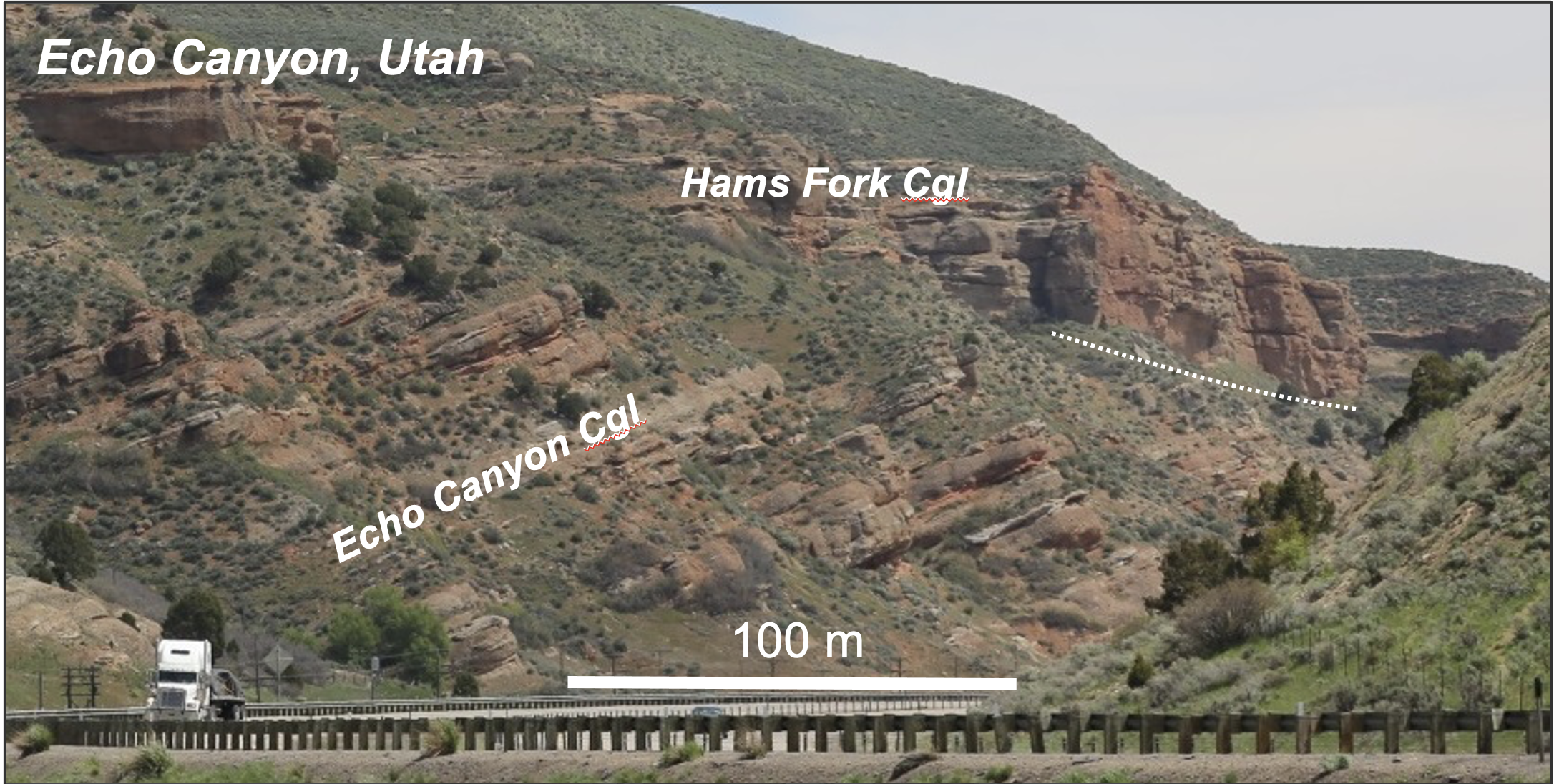
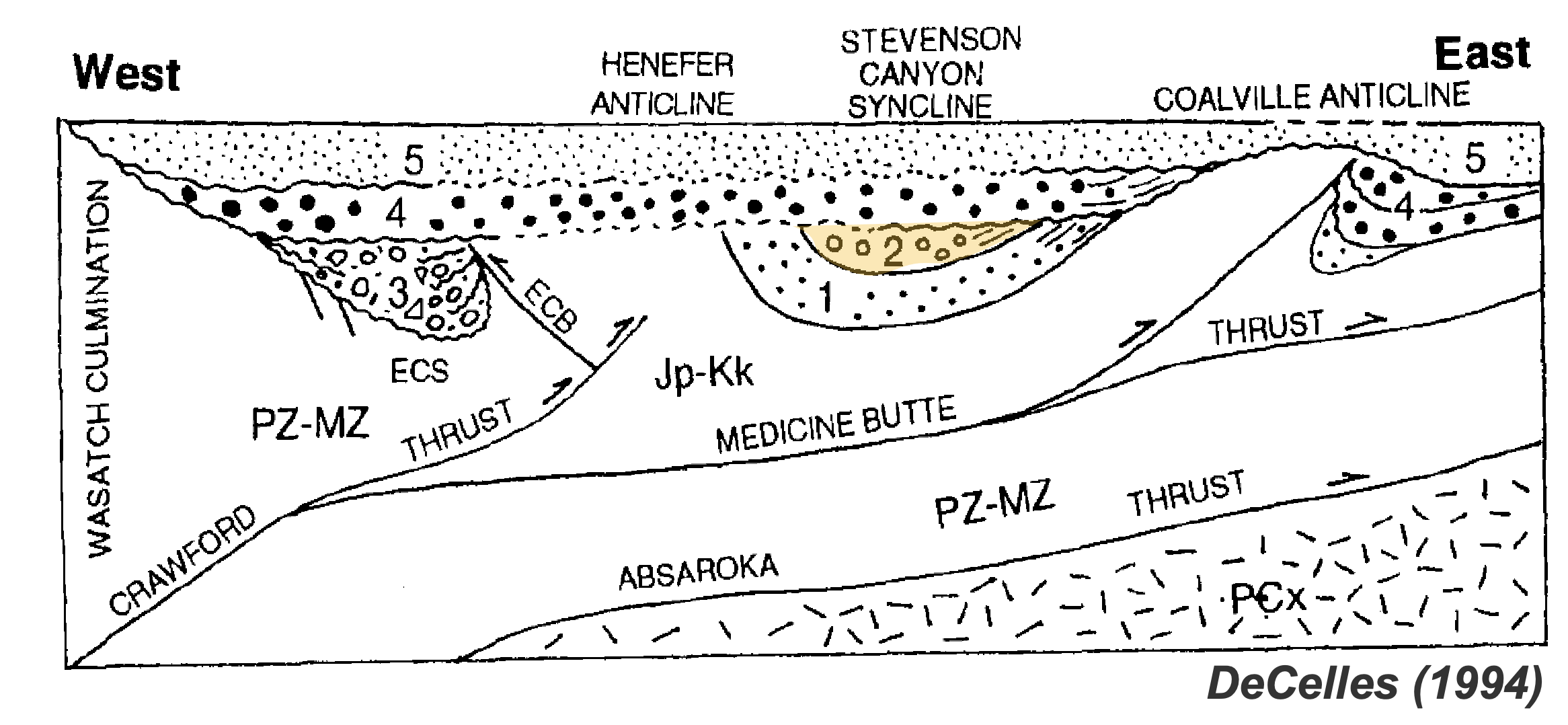
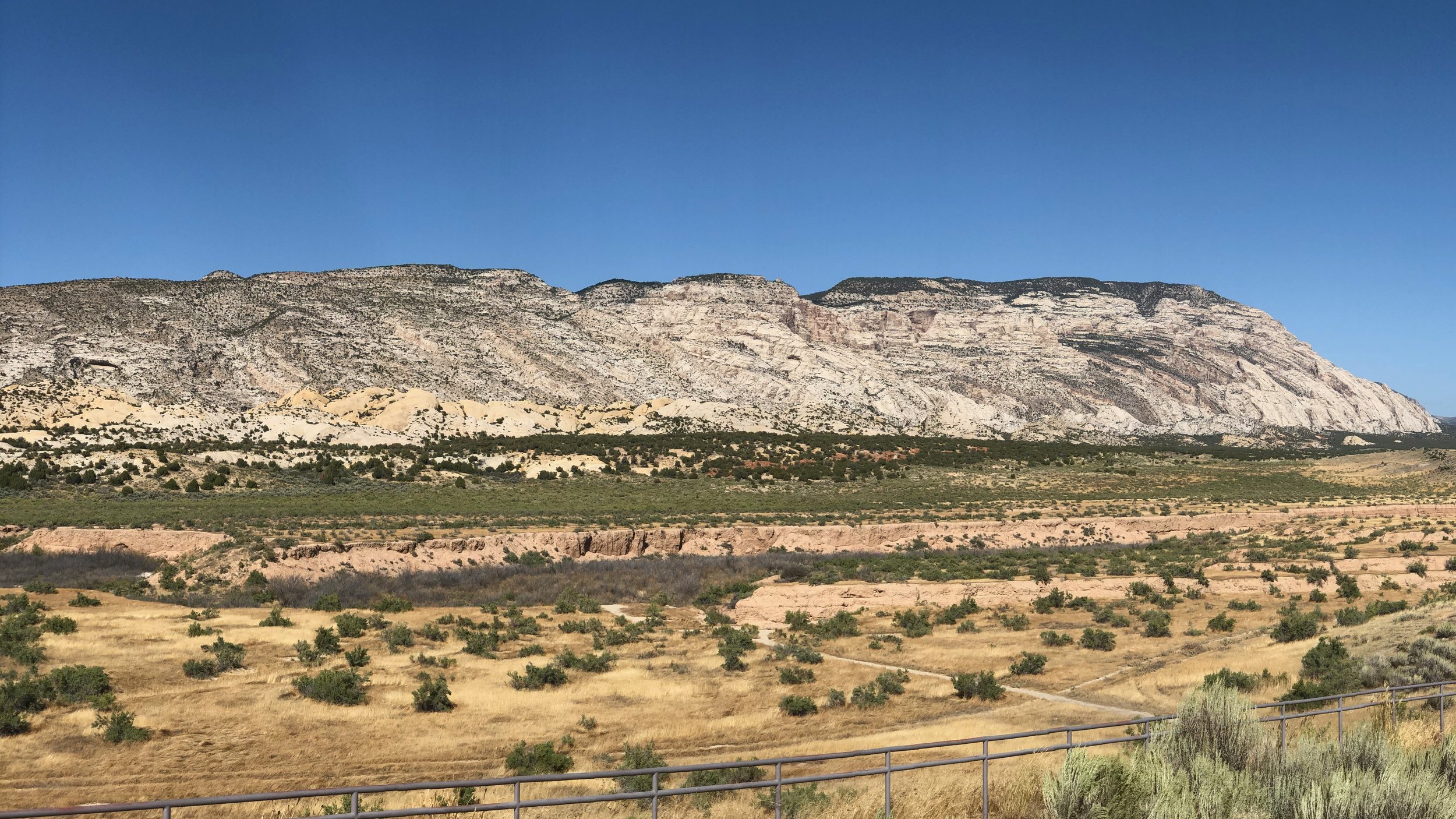
This course focuses on the external controls and development of a series of Cretaceous to Holocene sedimentary basins, their petroleum systems and corresponding basin margin outcrops in the Rocky Mountain region of USA. Since the late Jurassic, the region has gone through three main tectonic phases; (i) the building of the late Jurassic-Cretaceous Sevier thrust belt and foreland basin system that created the Western Interior Basin, (ii) late Cretaceous – early Cenozoic Laramide phase, breaking the foreland up into a series of productive intramontane basins separated by basement-cored uplifts, and (iii) Neogene Basin and Range extensional tectonics that created smaller and currently active mountain basins. These three phases had profound control on the development of conventional and unconventional petroleum systems in the basins and shaping the current landscape and spectacular scenery of high prairie separated by high mountain ranges. The course visits several of these basins and views outcrops of the rocks in the petroleum systems exposed on the basin margins.The course uses published material from academia, industry. state geological surveys and the United States Geological Survey and builds on the instructor’s decades-long field work record in the region. The material presented bridges between subsurface and outcrop data. The course presents a combination of plate-scale geology to cm-scale sedimentary geology detail, but the regional context and controls are in focus.
Since extensive driving is required to achieve the regional tectonic and basin overview, the route and schedule will be adjusted to the aims and requirements of the participants.
target groups
This course is relevant for all geologists and geophysicists who are interested in regional controls on conventional and unconventional prospective basins and petroleum systems. What is unique to this part of the Rocky Mountain region and Wyoming especially, is the abundance and variety of petroleum systems and how they interact. In addition, the information provided should be interesting to geoscientists working basins in similar continental, shoreline and shallow-marine plays globally.DURATION
6 days
maximum number of participants
14
instructor
Ole J. Martinsen